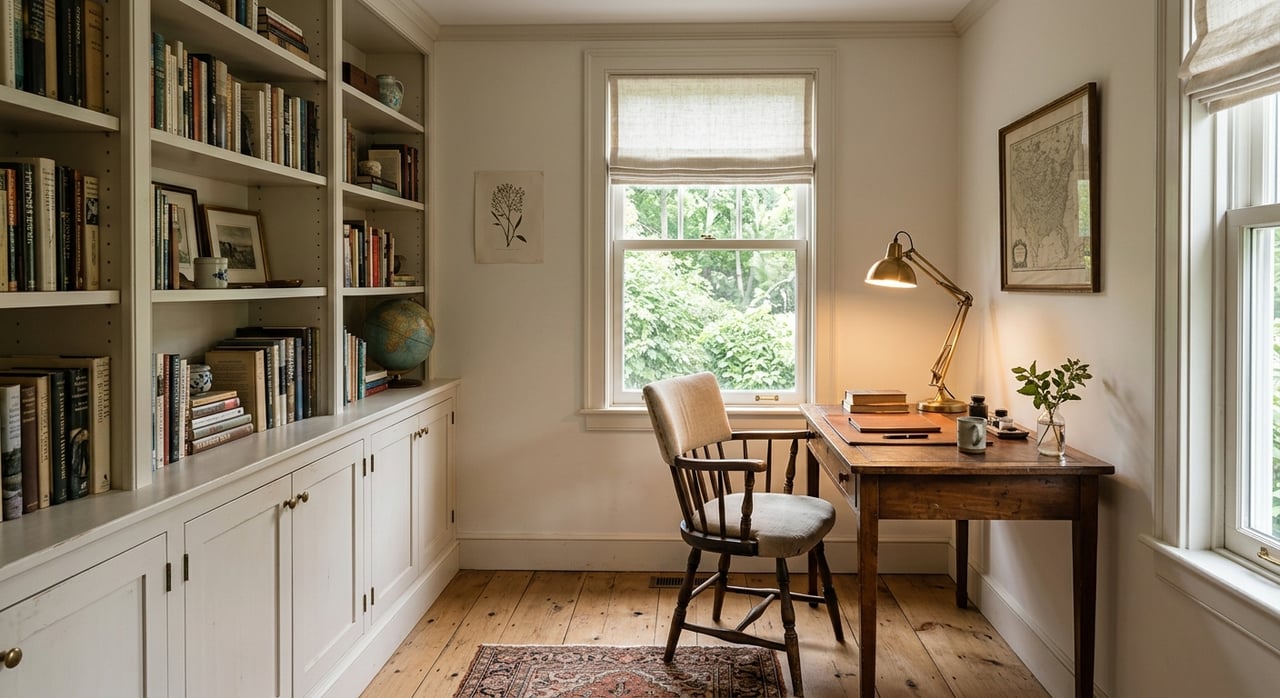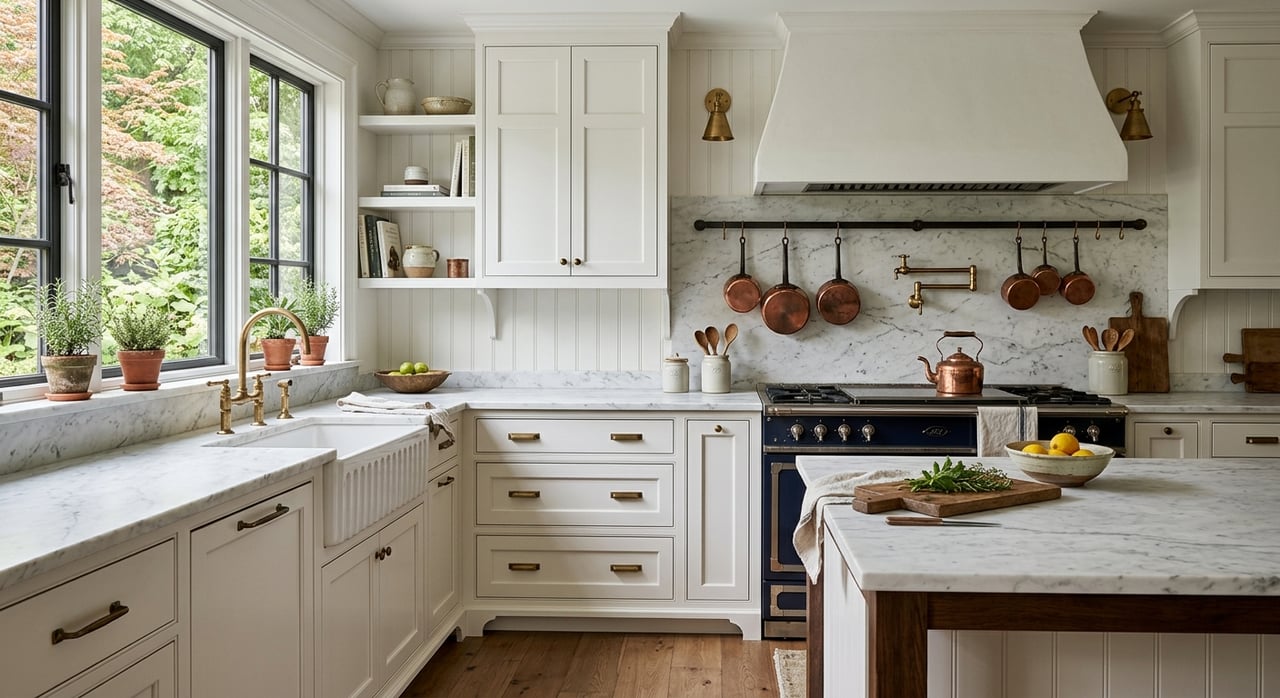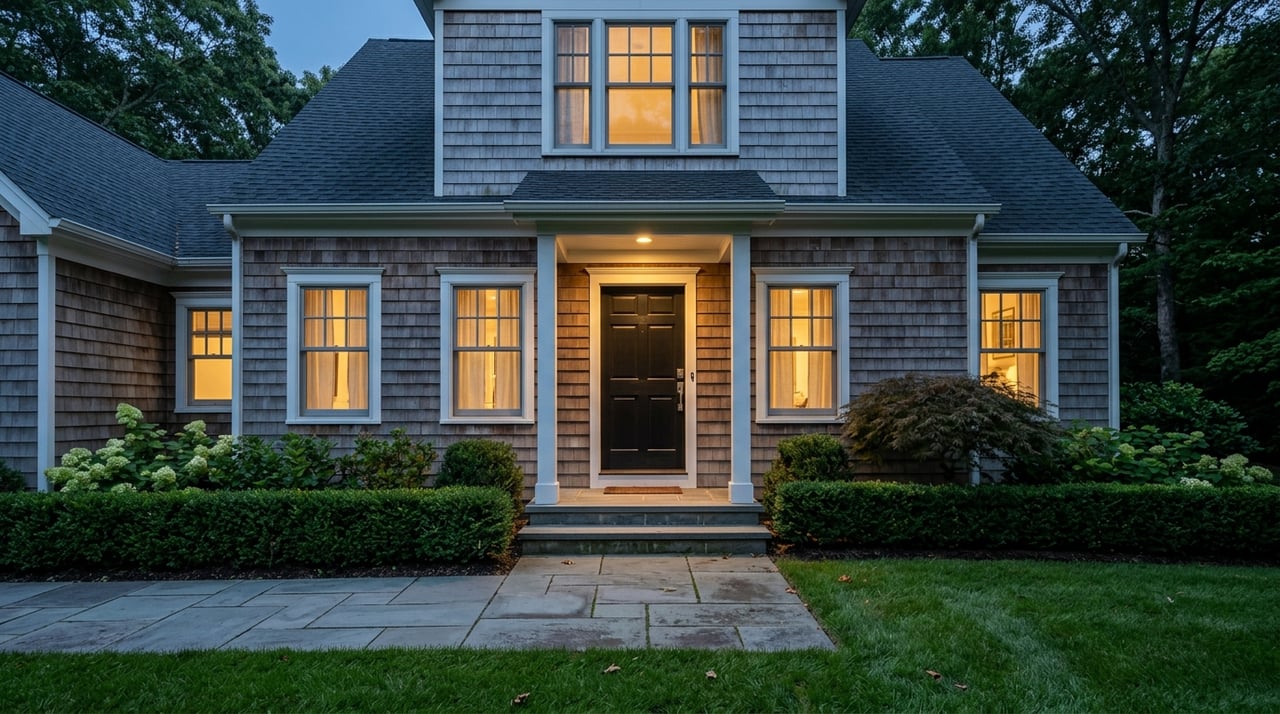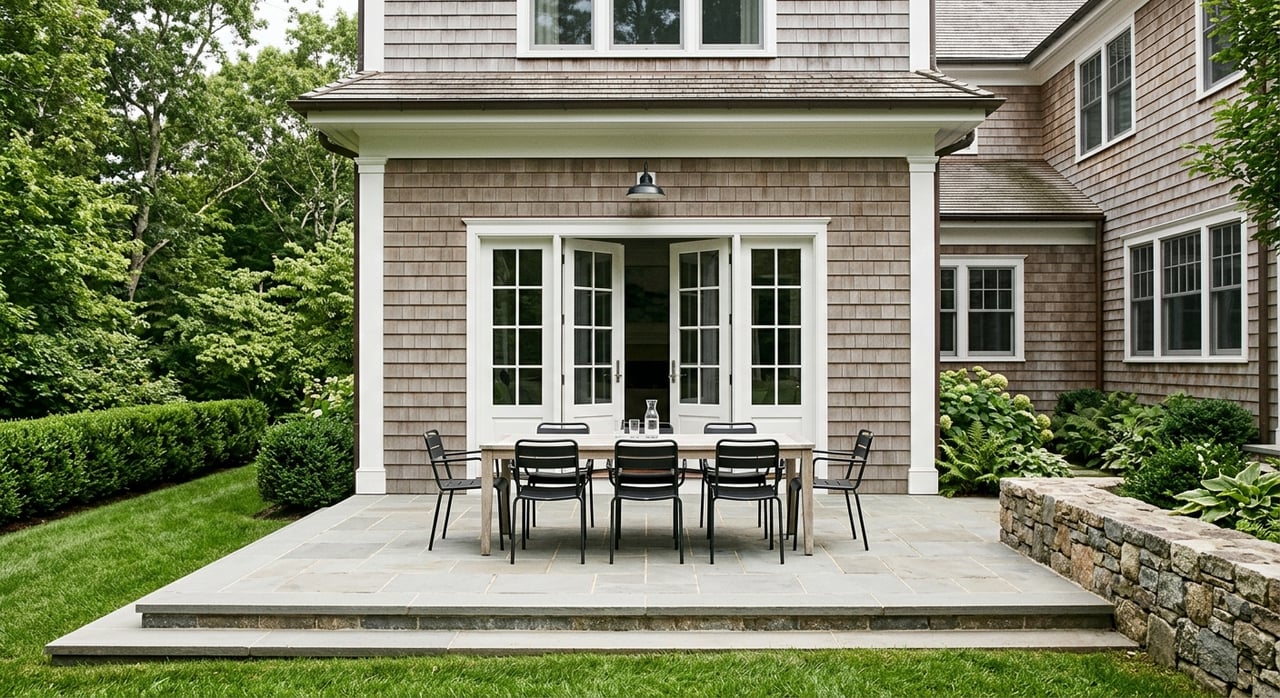
If your house feels bigger than your life needs right now, you are not alone. Many longtime Glen Cove homeowners reach a point where less upkeep, fewer stairs, and a simpler daily routine start to sound more appealing than extra square footage. A thoughtful downsize can help you protect your time, simplify expenses, and stay connected to the North Shore lifestyle you love. Let’s dive in.
Why Glen Cove Works for Downsizers
Glen Cove offers a mix of features that can make downsizing feel practical, not like a compromise. The city highlights beaches, parks, marina facilities, ferry access, and a waterfront redevelopment planned to include 1,110 residential units, retail and office space, boat slips, and nearly 28 acres of accessible public open space.
For many homeowners, that matters because a smaller home often works best when your surroundings add convenience and enjoyment. If you are moving from a larger property into a condo, co-op, or smaller house, access to outdoor spaces and local amenities can help your next chapter feel full, not smaller.
Glen Cove also remains a valuable market, which makes planning important. Recent snapshots show a March 2026 median sale price of $785,000 according to Redfin, an average home value of $810,612 according to Zillow as of March 31, 2026, and a Realtor.com snapshot showing 76 homes for sale, a median list price of $889,000, and 87 median days on market. The exact numbers vary by source, but the overall message is clear: pricing, presentation, and timing still matter.
Start With Your Lifestyle Goals
Before you look at listings or start packing, take a step back and define what you want your next home to do for you. Downsizing is not just about buying less space. It is about choosing a home that better fits how you want to live now.
Ask yourself a few simple questions:
- How much home maintenance do you still want to handle yourself?
- Do you want step-free living or elevator access?
- How important are parking and storage?
- Are you comfortable with board rules or monthly common charges?
- Do you want the freedom to renovate, have pets, or possibly sublet in the future?
These answers can shape your decision more than square footage alone. They also help you compare options in a calm, practical way.
Compare Condo, Co-op, and Smaller House
Condo Living in Glen Cove
A condominium gives you direct ownership of an individual unit plus an undivided interest in the common areas. In New York, condo owners must follow the declaration, by-laws, and house rules, and the board can enforce compliance.
For downsizers, condos often appeal because exterior maintenance is generally reduced compared with a detached house. If you want a lower-maintenance lifestyle while still owning real property directly, a condo may feel like a strong middle ground.
Co-op Living in Glen Cove
A co-op works differently. Instead of owning real property in the same way as a condo owner, you buy shares in a corporation tied to a specific apartment and receive a long-term proprietary lease.
Monthly maintenance is based on the number of shares assigned to your unit, and board oversight tends to be a more central part of co-op living. House rules, sublet policies, renovation rules, and board procedures can all affect your day-to-day experience, so this option usually requires extra attention to documents and expectations.
Smaller Single-Family House
A smaller single-family house can preserve privacy and independence. If you still want your own exterior space and fewer shared rules, this option may feel most familiar.
That said, a smaller house does not always mean dramatically lower carrying costs. In Nassau County, property taxes are local and shaped by county, city or village, school district, and special district budgets, so it is important to compare the full monthly picture rather than assume a smaller house will always be the least expensive choice.
Understand the Cost Differences
A thoughtful downsize is part lifestyle move and part budget exercise. Looking only at purchase price can lead to surprises later.
A realistic Glen Cove downsizing budget should include:
- Property taxes
- Common charges or maintenance charges
- Insurance
- Utilities
- Closing costs
- Moving costs
- Short-term storage, if needed
If the next home will be your primary residence, STAR may also matter. Nassau County notes that the basic STAR credit is available to eligible homeowners with income up to $500,000, and enhanced STAR provides a larger benefit for qualifying seniors.
Property classification can matter too. Nassau classifies one-, two-, and three-family homes and condos of three stories or less as Class One, while apartments, co-ops, and condos of four stories or more are Class Two. That is one more reason to compare options carefully instead of assuming all smaller homes will carry similar costs.
Build a Gentle Decluttering Timeline
One of the smartest ways to reduce stress is to start earlier than you think you need to. AARP frames home-sale preparation as a one-year countdown, and that longer runway can be especially helpful if you have lived in your current home for many years.
Begin with a storage plan and then work room by room. Make clear keep, donate, sell, and toss decisions instead of creating new piles you will have to revisit later.
A floor plan for your next home can also be incredibly useful. If you are moving into a condo, co-op, or smaller house, knowing what will actually fit can save you time, money, and emotion.
Make the Emotional Part Easier
Decluttering is rarely just a physical task. It often means making peace with items that carry years of memory but no longer fit your space or your next lifestyle.
If the process stalls, bring in support. Family members, friends, or a professional organizer can help you keep momentum and make decisions without feeling overwhelmed.
Prepare Your Current Home to Shine
Once your home is pared down, presentation becomes much easier. In a market where days on market and pricing still matter, a clean, well-prepared home can support a stronger result.
Home staging is worth considering as part of your downsizing plan. In the National Association of Realtors 2025 Profile of Home Staging, 29% of agents said staging led to a 1% to 10% increase in the offer, 49% said it reduced time on market, and 91% of sellers' agents recommended decluttering.
The same report found that buyers pay the most attention to the living room, primary bedroom, and kitchen when a home is staged. If you want to focus your time and budget, those rooms are often the best place to start.
Know What to Review Before You Buy
If your next move involves a condo or co-op, document review is a key part of the process. The New York Attorney General recommends reading the full offering plan and consulting an attorney before signing a purchase agreement.
For existing buildings, buyers are also advised to review board minutes and the most recent financial report. Those records can reveal building issues, likely repair costs, and the overall health of the property.
This is especially relevant if you are considering newer waterfront condo options or converted buildings in and around Glen Cove. In converted buildings, not every defect must be fixed if it is disclosed, so careful review matters.
Plan for New York Closing Costs
When you sell in New York, transfer taxes should be part of your planning. For property outside New York City, New York State requires Form TP-584 to be filed with the county clerk, and the form and payment are due no later than 15 days after delivery of the deed.
The base state transfer tax is $2 per $500 of consideration on conveyances above $500, and residences priced at $1 million or more are subject to an additional 1% mansion tax. Under state rules, the base tax is generally paid by the seller, while the mansion tax is generally paid by the buyer unless the contract states otherwise.
That means your downsizing plan should account for more than sale proceeds and purchase price. Closing costs, moving costs, and temporary storage can all affect how much flexibility you have for your next purchase.
Think of Downsizing as a Transition
A successful downsize is rarely about doing everything fast. It is about making clear decisions in the right order, with a plan that supports both your finances and your peace of mind.
In Glen Cove, that often means balancing lifestyle amenities, property type, monthly costs, and timing. When those pieces line up, a smaller home can feel like a smart upgrade in daily living.
If you are starting to think about your next move, a step-by-step strategy can make the process feel much lighter. When you are ready for thoughtful guidance on selling, buying, and preparing for your next chapter on the North Shore, connect with Myla Borucke.
FAQs
What is the best downsizing option in Glen Cove for a low-maintenance lifestyle?
- A condo may suit you best if you want direct ownership with less exterior maintenance, while a co-op may also reduce upkeep but typically involves more board oversight and document review.
How early should you start decluttering before downsizing in Glen Cove?
- A longer runway is helpful, and AARP frames home-sale preparation as a one-year countdown with room-by-room sorting and a clear storage plan.
What costs should you compare when downsizing in Nassau County?
- Compare property taxes, common charges or maintenance charges, insurance, utilities, closing costs, moving costs, and any short-term storage needs.
What should you review before buying a Glen Cove condo or co-op?
- Review the full offering plan, board minutes, the most recent financial report, and the building rules, and consult an attorney before signing a purchase agreement.
What transfer taxes apply when selling a home in Glen Cove, NY?
- New York State generally charges a base transfer tax of $2 per $500 of consideration on conveyances above $500, and residences priced at $1 million or more are generally subject to an additional 1% mansion tax.