If your Glen Cove home is near the water, your listing strategy needs to do more than mention a nice view. Buyers will want to understand exactly what that water connection means, how it affects value, and what documents support the story. With the right preparation, you can present your home clearly, price it with confidence, and answer the questions that matter most before they slow down a sale. Let’s dive in.
Why the waterfront story matters
Glen Cove is shaped by the water in a real way. The city says it is surrounded by water on three sides, has more than ten miles of waterfront, and includes beaches, nature preserves, a public golf course, and a public park. That means the water is not just a backdrop. It is part of how buyers understand the lifestyle tied to the home.
That local context can strengthen your listing when it is presented accurately. A home with direct frontage, harbor views, nearby parks, or access to marina-related amenities may attract buyers for different reasons. Your listing should make those distinctions clear instead of using broad waterfront language that leaves too much open to interpretation.
Define the home’s water relationship
One of the biggest mistakes in marketing a home near the water is being vague. Buyers will quickly ask whether the home has direct waterfront, a water view, shared access, or simply close proximity to public amenities. Those details affect both buyer interest and pricing.
In Glen Cove, clarity matters because some waterfront amenities have access limits. The city notes that Pryibil and Crescent beaches are for Glen Cove residents only, while Morgan Memorial Park is open to Glen Cove and Locust Valley residents. If your home is near these amenities, your listing should describe that relationship factually and avoid suggesting rights or access that do not transfer with the property.
Here are some details buyers may want to know right away:
- Whether the property has direct water frontage or only a view
- Whether there is deeded access or dock rights
- Whether access is private, shared, or based on nearby public amenities
- Whether any beach, park, or marina access is restricted by residency or ownership rules
- Whether any rights are transferable with the sale
Price with precision, not assumptions
Waterfront and water-adjacent homes often carry strong appeal, but that does not mean every home near the water should be priced at a blanket premium. Broad Glen Cove market data show an active market, yet they also support careful pricing rather than automatic overreach.
In March 2026, Redfin reported a Glen Cove median sale price of $785,000 and a median of 65 days on market. Realtor.com reported a median listing price of $889,000, 76 homes for sale, 87 median days on market, and a 100% sale-to-list-price ratio. Taken together, that suggests Glen Cove is active, but buyers are still watching value closely.
For a home near the water, the best comparison set is usually not the whole town. It is the group of homes with a similar water relationship, view quality, lot elevation, access, and shoreline condition. Two homes may both be described as near the water, but buyers may see them very differently once they understand frontage, flood exposure, or access rights.
Prepare for flood and disclosure questions
For sellers in Glen Cove, flood-related preparation is not optional background work. It is central to buyer confidence. New York’s Property Condition Disclosure Statement, required beginning July 1, 2025, specifically asks about flood assistance, flood insurance, elevation certificates, flooding or drainage problems, and water penetration from heavy rainfall, coastal storm surge, tidal inundation, or river overflow.
The New York Department of State also notes that standard homeowners insurance typically does not cover flood damage. FEMA’s Flood Map Service Center is the official public source for flood-hazard information, and USGS notes that Long Island Sound coastal areas are highly vulnerable to tidal flooding and storm-related coastal hazards. For a Glen Cove home near the water, buyers will likely expect direct answers and supporting paperwork where available.
Before your home goes live, gather what you can for these common questions:
- Is the home in a FEMA flood zone?
- Has the property experienced flooding, water intrusion, or storm-surge damage?
- Is flood insurance currently in place?
- Is there an elevation certificate?
- Have there been drainage improvements or exterior water-management repairs?
- Are there records related to shoreline maintenance or storm recovery?
Use photography to answer questions fast
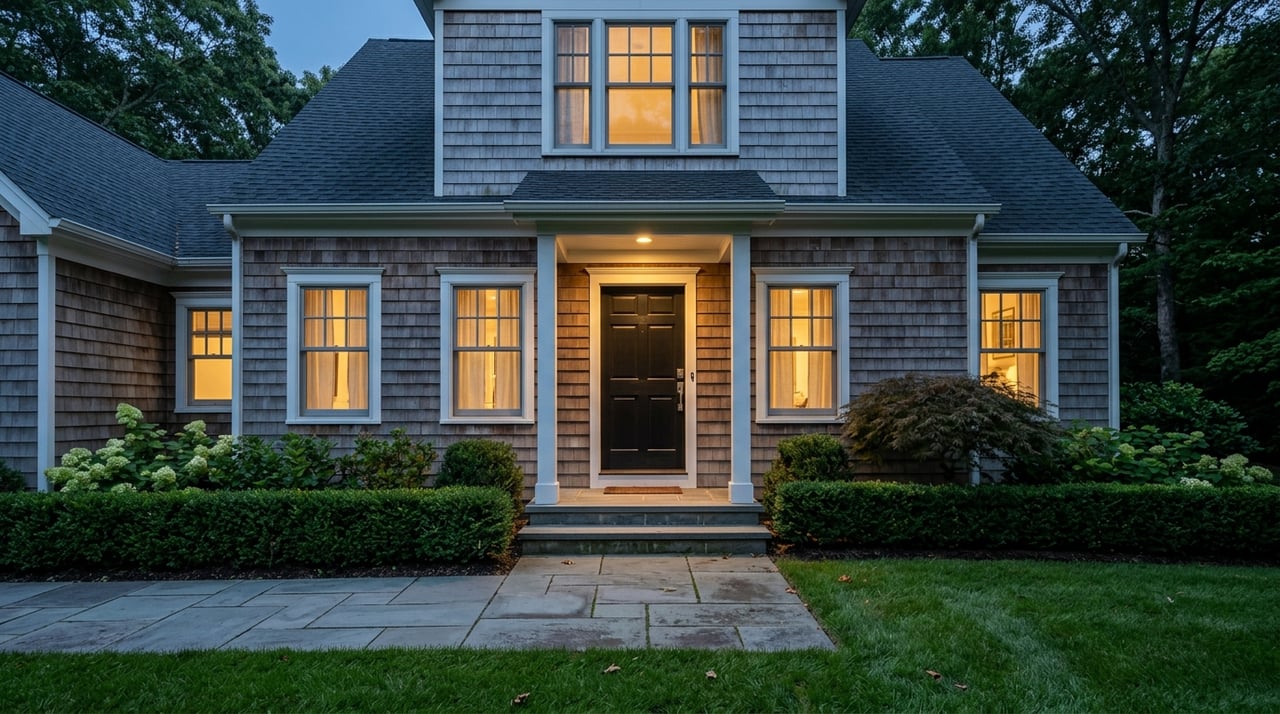
Most buyers will meet your home online first. For a Glen Cove home near the water, your photos need to do more than look attractive. They need to help buyers understand the setting, the outdoor experience, and how the home connects to the surrounding environment.
That approach is supported by the National Association of Realtors 2025 staging report. It found that 83% of buyers’ agents said staging made it easier for buyers to visualize the property as a future home. The same report found that buyers’ agents rated photos, physical staging, videos, and virtual tours as highly important, while many sellers’ agents reported reduced time on market and stronger offers after staging.
For water-adjacent listings, the most effective visuals often include:
- Strong exterior photos that show the home’s siting
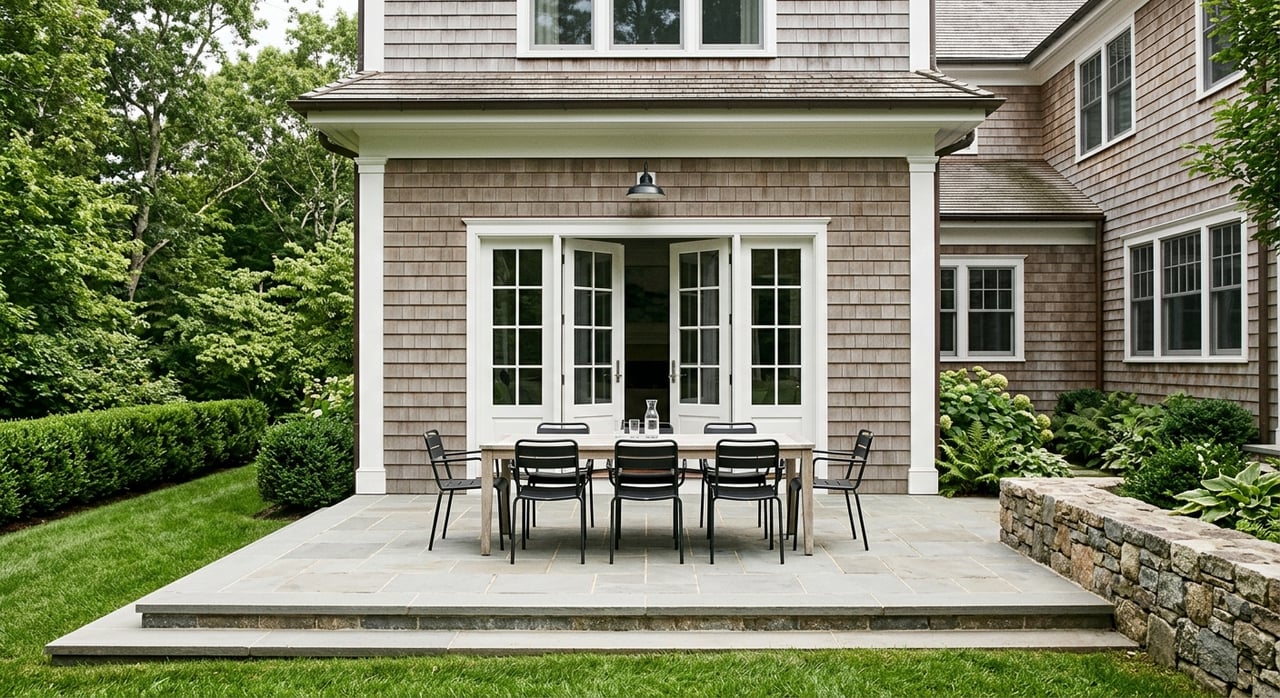
- Clear images of decks, patios, porches, or yards
- View-oriented shots from key interior rooms
- Outdoor entertaining areas buyers can imagine using
- Photos that show light, openness, and orientation without exaggeration
Market the property truthfully
Waterfront listings can attract attention quickly, which makes accuracy even more important. The New York Department of State says deceptive advertising is prohibited and that every advertisement must include an honest and accurate depiction of the property. Its consumer alert on AI-generated listings also warns that manipulated images can misrepresent a home’s condition or create an unrealistically perfect impression.
That means your listing media should clarify, not distort. Aerial photos, twilight images, and virtual staging can be useful if they help buyers understand the property without changing the facts. If a room has a view only from one angle, or a shoreline feature is seasonal, the marketing should stay honest about that.
Time the launch around presentation
When you list a home near the water, timing should support the story you want buyers to see. In many cases, the strongest launch window is when daylight is favorable, landscaping is tidy, outdoor spaces are usable, and any exterior repairs are complete. That is especially true in Glen Cove, where the waterfront lifestyle is a meaningful part of buyer interest.
If your home has open questions about drainage, shoreline maintenance, or flood documentation, it is worth handling those items before the listing goes live. A polished launch creates momentum. A rushed launch often creates avoidable buyer hesitation.
A strong pre-listing timeline may include:
- Confirming the home’s exact water relationship and access details
- Gathering flood, insurance, and disclosure paperwork
- Completing visible exterior maintenance or drainage-related repairs
- Staging key rooms and outdoor living areas
- Scheduling professional photography when weather and light support the property best
Why local strategy matters in Glen Cove
A generic listing plan rarely works well for homes near the water. In Glen Cove, small differences can change how buyers value a property. Elevation, shoreline condition, public versus deeded access, flood documentation, and even amenity restrictions can all influence interest and pricing.
That is one reason sellers continue to rely on professional guidance. The National Association of Realtors 2025 Profile of Home Buyers and Sellers found that 91% of sellers used a real estate agent, with top reasons including help marketing the home, pricing it competitively, and selling within a specific timeframe. For a home near the water, those tasks work best when they are handled as one coordinated launch plan.
A thoughtful listing strategy should bring together pricing, preparation, staging, photography, disclosures, and buyer communication from the start. When those pieces line up, your home stands out for the right reasons. It also gives buyers confidence that the value they see is supported by clear, accurate information.
If you are thinking about selling a Glen Cove home near the water, the right plan starts with careful positioning and honest presentation. For calm, hands-on guidance from consultation to closing, connect with Myla Borucke.
FAQs
What should a Glen Cove waterfront listing explain first?
- A Glen Cove waterfront or water-adjacent listing should clearly explain whether the home has direct frontage, a view, deeded access, dock rights, or only proximity to public waterfront amenities.
What flood documents matter for a Glen Cove home near the water?
- Buyers may ask for flood zone information, flood insurance details, an elevation certificate if available, and records of any flooding, drainage issues, or water intrusion.
How should a seller price a Glen Cove home near the water?
- A seller should look beyond townwide averages and compare the home to properties with similar frontage, view quality, elevation, access, and shoreline condition.
Do Glen Cove beach or waterfront amenity rights always transfer with a home?
- Not necessarily, so sellers should verify whether access is private, deeded, resident-based, or tied to nearby public amenities before marketing those features.
Why does staging matter for a Glen Cove home near the water?
- Staging helps buyers picture how they would use the home and outdoor spaces, and strong visuals can make the waterfront setting easier to understand online.
When is the best time to list a Glen Cove home near the water?
- The best time is usually when outdoor areas look their best, natural light supports photography, and any open exterior or flood-related issues have been addressed.